

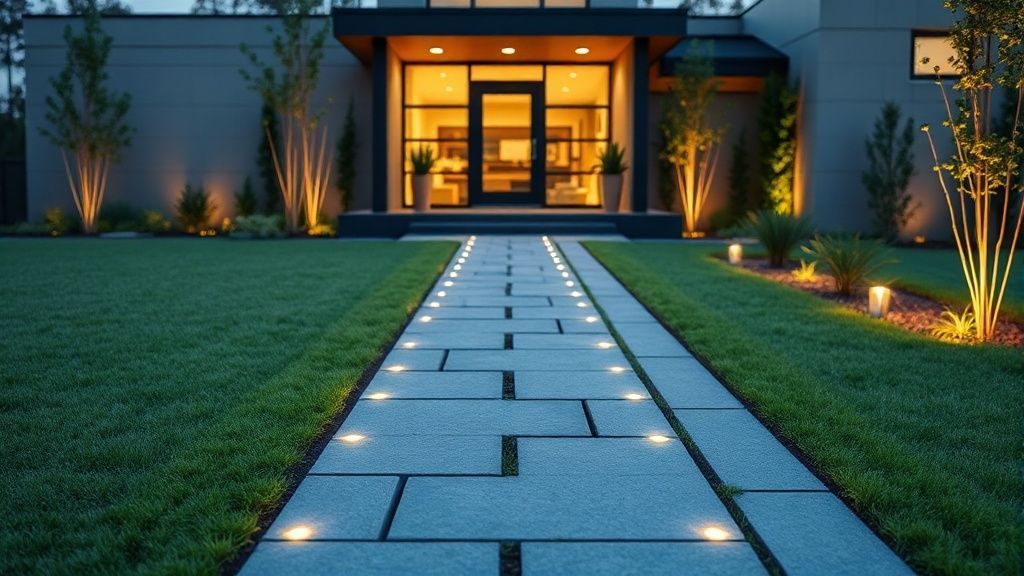
Are the surfaces we walk and drive on about to become power generators? As eco-conscious homeowners seek new ways to reduce their carbon footprint and energy bills, the idea of integrating solar technology into driveways, pathways, and even road surfaces is sparking immense interest. This article will explore the current state, residential viability, and exciting future potential of solar roadways, pathways, and driveway lights.
The Promise of Integrated Solar Surfaces
Imagine your driveway not just as a path for your car, but as a subtle, silent power plant. Integrated solar surfaces, often referred to as solar roadways or solar pavers, embed photovoltaic (PV) cells directly into durable, walkable, or drivable materials. The core concept is simple yet revolutionary: generate clean electricity from unused surface areas, transforming inert infrastructure into active energy sources.
While large-scale solar roads are still largely experimental, the application for residential use is becoming increasingly tangible. These systems offer the potential for localized power generation, reducing reliance on the main grid, enhancing property aesthetics, and contributing significantly to a home’s overall sustainability profile.
Current Technologies & Residential Applications
Solar Pavers and Tiles
For homeowners, the most practical form of integrated solar surfaces comes in the shape of solar pavers or tiles. These robust units are designed to withstand foot traffic and even light vehicle loads, much like traditional paving stones. Inside, small solar panels capture sunlight, converting it into electricity. This energy can then power outdoor lighting, charge electric vehicles, or even feed into your home’s main power supply.
The benefits extend beyond power generation. Some advanced solar pavers can incorporate heating elements for automatic snow and ice melting, adding a practical safety feature during winter months. While the initial investment for these systems can be higher than traditional paving, the long-term energy savings and environmental advantages can make them a compelling choice for those committed to a sustainable lifestyle.
Solar Pathway & Driveway Lighting
A more immediately accessible application of solar technology in residential surfaces is integrated solar lighting. Forget flimsy, standalone garden lights; modern solar pathway and driveway lights are built directly into the ground or paving, offering a sleek, minimalist aesthetic while providing essential illumination. These solutions enhance safety and security around your property without adding to your electricity bill.
Advancements in battery technology and LED efficiency mean these lights can provide reliable illumination throughout the night. Many modern options also integrate smart home features, allowing for control via apps, motion detection, and even scheduling. For those looking to upgrade their exterior lighting, considering smart outdoor lighting for security, style, and sustainability can be a game-changer. Curious about the longevity of these solutions? You might also find our long-term review on solar landscape lights insightful.
Challenges and Considerations
Despite their appeal, integrated solar surfaces face several hurdles. Initial cost remains a significant barrier compared to conventional paving or lighting. Efficiency can also be a concern, as horizontally laid panels may not always receive optimal sun exposure. Furthermore, durability against heavy loads, extreme weather, and routine wear and tear is paramount, and these systems are still evolving.
Homeowners must also consider installation complexity and the need for professional maintenance to ensure optimal performance and longevity.
The Eco-Conscious Appeal & Smart Home Integration
For the eco-conscious homeowner, the appeal of solar surfaces is clear: they offer a tangible step towards energy independence and a reduced carbon footprint. By generating clean energy directly where it’s needed, these systems minimize the demand for grid power, often sourced from fossil fuels.
When integrated with a broader smart home ecosystem, the benefits multiply. Energy generated from solar pathways can be monitored and managed alongside other household consumption data. Integrating this with your overall home energy monitor is the first step to net-zero, allowing you to visualize and optimize your energy flow. Imagine an energy management system that directs excess solar pathway power to charge your EV overnight or pre-heat your water heater. This level of automation and data visibility empowers homeowners to make truly smart, sustainable choices.
Future Potential & Innovations
The trajectory for integrated solar surfaces is promising. Ongoing research is focusing on increasing the efficiency of PV cells in low-light or non-optimal angles, enhancing material durability, and reducing manufacturing costs. We can anticipate future systems that are even more robust, aesthetically seamless, and capable of generating substantial amounts of electricity.
Advanced battery storage solutions will become more integral, allowing homes to store surplus energy for use during peak demand or cloudy days. The potential for these surfaces to communicate with smart grids, contributing to community-wide energy resilience, also represents an exciting frontier.
Solar roadways, pathways, and driveway lights are rapidly evolving from futuristic concepts to viable, albeit premium, options for eco-conscious homes. While challenges remain, the blend of clean energy generation, enhanced property features, and seamless smart home integration presents a compelling vision for sustainable living. Considering these innovations can pave the way for a greener, smarter home.