
Is your smart home more of a “smart maze” for some family members? Integrating smart technology brings incredible convenience and eco-savings, but only if everyone can use it comfortably. This article will provide practical, step-by-step strategies to empower every member of your household, from curious kids to non-tech-savvy adults, to confidently navigate and enjoy your smart home system, fostering a truly efficient and harmonious eco-conscious living space.
Why Empowering Everyone Matters for Your Eco-Smart Home
A smart home is only as smart as its users. When everyone understands and utilizes the system, the benefits multiply. Not only does it enhance daily comfort and convenience, but it also directly contributes to your home’s sustainability goals.
- Maximized Energy Savings: When kids know how to turn off lights with a voice command, or adults are comfortable adjusting the thermostat settings, you prevent wasted energy. Everyone becomes an active participant in reducing your carbon footprint.
- Increased Efficiency: Automated routines and intuitive controls mean devices are used optimally, reducing phantom load and ensuring systems like heating and cooling are not running unnecessarily.
- Enhanced Comfort & Safety: A well-understood smart home means everyone can easily adjust lighting for reading, lock doors, or check security cameras, making the home a safer and more enjoyable place for all.
- Shared Responsibility: Teaching family members to manage aspects of the smart home fosters a sense of collective ownership over your home’s energy consumption and technological advancements.
Making Smart Simple for the Little Ones: Kids and Teens
Kids are often quick learners, especially when technology is presented as fun and empowering. Focus on simple, intuitive interactions that give them a sense of control.
Voice Command Superpowers
For children, voice commands can feel like magic. Start with simple, frequently used actions.
- Begin with Basics: Teach them how to turn specific lights on and off, or play their favorite music. “Hey [Assistant Name], turn on the kitchen light” or “Play kids’ songs.”
- Practice Makes Perfect: Encourage them to use voice commands often. Make it a game!
- Explain the “Why”: Briefly explain that turning off lights saves energy, linking their actions to positive environmental impact. For more on how simple voice commands can manage devices, see our guide on Smart Plugs: Voice Control (Alexa, Google, Siri).
Routine Rewards & Smart Scenes
Introduce pre-set routines or scenes that simplify complex actions into a single command or button press.
- “Good Morning” Routine: A routine that slowly brightens their room lights and plays gentle music.
- “Homework Time” Scene: A scene that sets desk lights to optimal brightness and perhaps dims overhead lights. Learn more about creating personalized ambiances with Smart Lighting Scenes: Create & Customize Your Ambiance.
- Smart Buttons: For younger children, a simple smart button can trigger a scene, like “playtime lights” or “nightlight.”
Patiently Empowering Non-Tech Savvy Adults
For adults who aren’t comfortable with new technology, patience and practical demonstrations are key. Focus on the benefits and simplicity, not the underlying complexity.
Focus on the “Why,” Not Just the “How”
Explain how the smart home makes *their* life easier, more comfortable, and saves money/energy.
- Direct Benefits: “This smart thermostat means you’ll always come home to a warm house without having to adjust it manually,” or “These smart lights will turn off automatically if you forget, saving us money.”
- Safety & Security: Highlight features like smart locks, doorbell cameras, or emergency lighting routines.
Simplify Interactions & Provide Analog Alternatives
Avoid overwhelming them with too many app options or complex menus. Focus on the most straightforward methods.
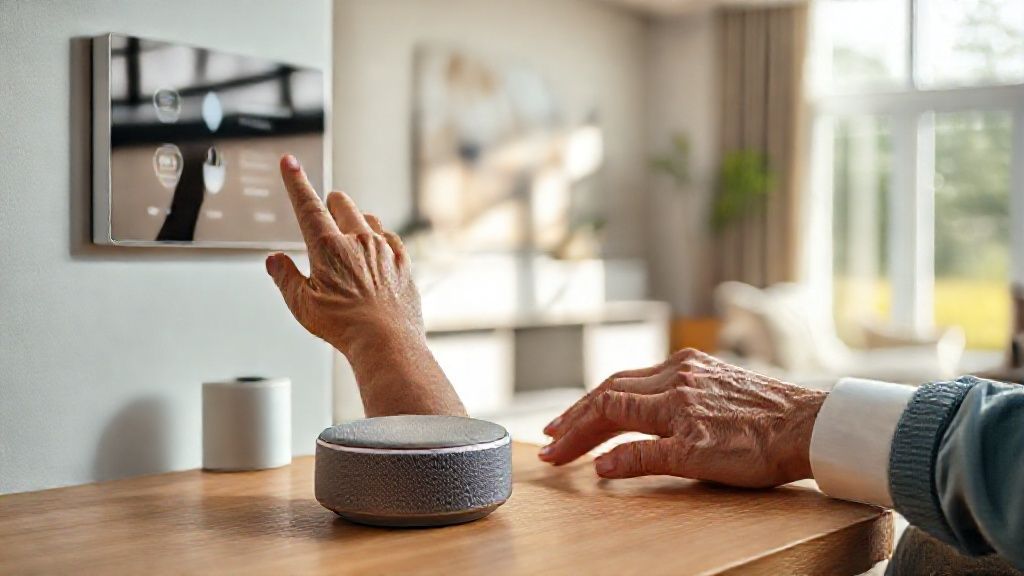
- Voice Control First: This is often the most intuitive. “Hey [Assistant Name], turn off all the lights” is much easier than finding an app.
- Smart Buttons & Remotes: Strategically place smart buttons for common actions (e.g., “all lights off,” “movie time”). Simple smart remotes for lighting can also be less intimidating than a phone app.
- Physical Switches: Ensure critical smart lights still work via traditional wall switches if necessary, reducing anxiety. Remember, Smart Homes: Simple Automation, Not as Complicated as You Think, is about making technology work for you, not the other way around.
Hands-On Practice & Cheat Sheets
Guided practice and readily available reminders build confidence.
- One-on-One Sessions: Sit down with them and practice specific commands or actions together. Repeat as needed.
- Simple Cheat Sheet: Create a laminated card with key voice commands or instructions for crucial routines. Place it near the smart speaker or by the front door.
Universal Strategies for a Harmonious Smart Home
Some approaches work effectively for everyone, bridging the gap between tech-savvy and non-tech-savvy users.
The Power of Voice Control
Voice is the most natural interface. Encourage its use for daily tasks.
- Common Phrases: Establish consistent phrases for common actions (“Goodnight,” “I’m home,” “Movie time”).
- Visible Smart Speakers: Place smart speakers in prominent, easily accessible locations.
Start Small, Grow Gradually
Don’t introduce every smart feature at once. Begin with one or two frequently used functionalities.
- Lighting First: Smart lighting is often the easiest entry point for new users.
- Thermostat Next: Introduce smart climate control once they are comfortable with lighting.
The Family Smart Home Manual
A simple, living document that outlines basic commands, troubleshooting tips, and who to ask for help.
- Basic Commands List: List essential voice commands for lights, temperature, music, etc.
- Routine Explanations: Briefly describe what each routine does and how to trigger it.
- Troubleshooting 101: A few simple steps to try if something isn’t working (e.g., “Try the command again,” “Is it plugged in?”).
Empowering every family member to comfortably use your smart home system transforms it from a personal gadget into a truly communal, efficient, and eco-friendly living space. By focusing on clear communication, practical benefits, and patience, you can create a household where everyone contributes to a smarter, more sustainable future.