
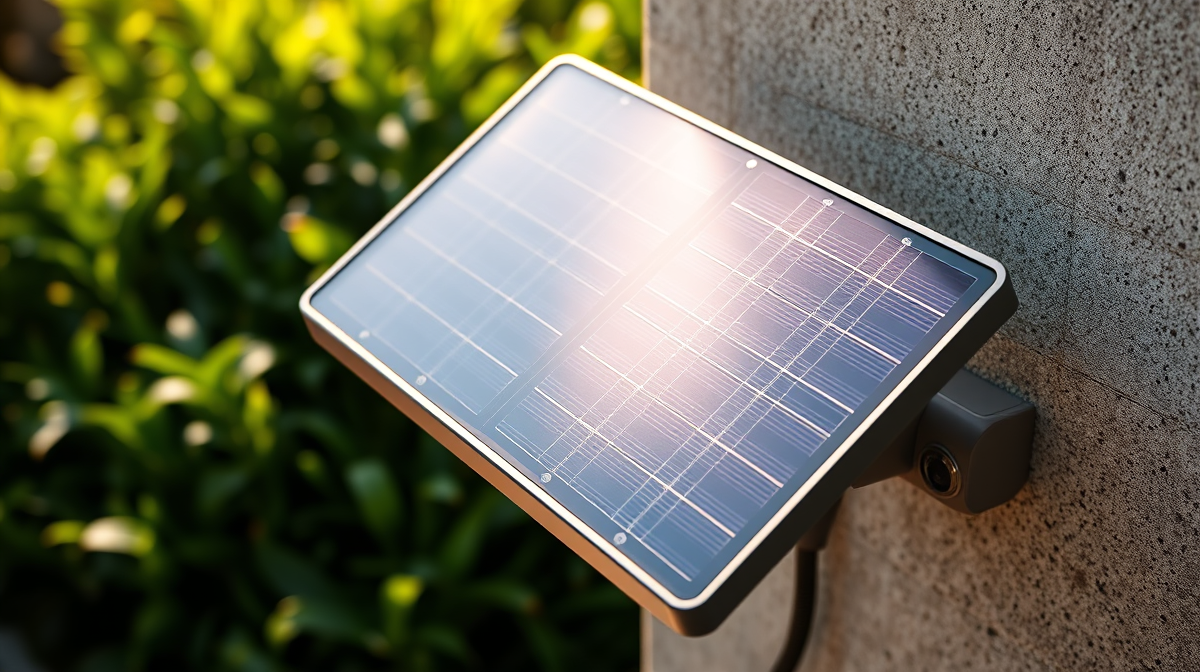
Are your outdoor solar gadgets underperforming or fading faster than you’d expect? Solar-powered devices offer incredible eco-friendly convenience, but their longevity and efficiency heavily depend on how well they’re maintained. This guide will walk you through essential tips for cleaning solar panels, caring for batteries, weatherproofing your gear, and ensuring optimal placement to keep your outdoor solar technology shining brightly for years to come.
The Foundation: Optimal Placement for Peak Performance
The first step to maximizing the efficiency and lifespan of any outdoor solar gadget isn’t maintenance, it’s intelligent placement. A device that never gets enough sun will constantly struggle, overwork its battery, and ultimately fail prematurely.
Sunlight Exposure: The Golden Rule
Solar panels convert sunlight into electricity, so unobstructed access to direct sunlight is non-negotiable. Aim for locations that receive at least 6-8 hours of direct sun daily, especially during peak hours (10 AM to 4 PM).
- South-Facing (Northern Hemisphere): For stationary panels, a south-facing orientation typically provides the most consistent sunlight throughout the day.
- West-Facing: If south isn’t possible, a west-facing spot can capture strong afternoon sun, which can be beneficial in some setups.
Avoiding Obstructions and Shade
Even small shadows cast by trees, buildings, or other structures can significantly reduce a solar panel’s output. Modern solar panels are often designed with bypass diodes to mitigate the effect of partial shading, but consistent, full sunlight is always ideal. Before installation, observe the area at different times of the day to identify any potential shade patterns. This is particularly important for devices like solar-powered pathways or lighting fixtures.
Angle and Orientation Considerations
While most small outdoor gadgets have fixed panels, if you have portable units or adjustable lighting, angling them correctly can boost performance. For general use, tilting a panel at an angle roughly equal to your latitude is a good starting point, adjusting seasonally for optimal capture. For portable solar panels, always orient them directly towards the sun.
Keeping it Clear: Cleaning Your Solar Panels
A dirty solar panel is an inefficient solar panel. Dust, pollen, bird droppings, and other debris can block sunlight, reducing energy production and putting extra strain on the gadget’s battery.
Why Regular Cleaning Matters
Even a thin layer of grime can decrease efficiency by 10-20%, or even more in dusty or heavily polluted areas. Regular cleaning ensures your solar device can absorb the maximum amount of sunlight, which translates to brighter lights, longer runtimes, and a healthier battery.
Gentle Methods for Effective Cleaning
Cleaning solar panels is straightforward but requires a gentle touch to avoid damage.
- Tools: Use a soft brush, sponge, or microfiber cloth. Avoid abrasive materials that can scratch the panel surface.
- Cleaning Solution: Plain water is often sufficient. For stubborn dirt, a mild, non-abrasive soap mixed with water can be used. Rinse thoroughly to prevent residue build-up.
- Technique: Spray water to loosen dirt, then gently wipe. For higher panels, a squeegee with a soft rubber blade can be effective. Always clean when the panels are cool, typically early morning or evening, to prevent water spots from drying quickly on a hot surface.
Frequency and Best Practices
The frequency of cleaning depends on your environment. In dry, dusty areas or places with heavy pollen, monthly cleaning might be necessary. In cleaner environments, quarterly or bi-annual cleaning can suffice. After cleaning, inspect the panel for any cracks or damage.
Powering On: Smart Battery Care for Longevity
The battery is the heart of your outdoor solar gadget. Its health directly dictates how long your device will operate after dark and its overall lifespan. Understanding battery care is crucial for sustainability and avoiding frequent replacements.
Understanding Solar Batteries
Most outdoor solar gadgets use rechargeable batteries, commonly Nickel-Metal Hydride (NiMH) or Lithium-ion (Li-ion). Li-ion batteries offer higher energy density and longer cycle life but are more sensitive to temperature extremes. NiMH batteries are robust but can suffer from “memory effect” if not fully discharged occasionally.
Temperature Management
Batteries dislike extreme temperatures. Heat can accelerate degradation, while extreme cold can reduce capacity and efficiency. While most outdoor solar gadgets are designed to withstand varying weather, positioning them in spots that avoid direct, intense afternoon sun in summer (if possible without compromising charging) or offering slight insulation in freezing conditions can extend battery life. For devices like solar landscape lights, ensuring they’re not buried in snow or exposed to prolonged sub-zero temperatures can make a difference.
Charging Habits and Cycles
Solar batteries benefit from consistent, full charging cycles. If your device isn’t receiving enough sunlight, the battery will constantly operate in a partial charge state, which can reduce its overall lifespan. If possible, ensure devices get full sun daily. If a device will be stored for an extended period, charge its battery to about 50% and store it in a cool, dry place.
When to Replace
Even with perfect care, batteries have a finite number of charge cycles. If your solar gadget’s runtime significantly decreases, even after a full day of sun, it’s likely time for a battery replacement. Many outdoor solar lights allow for easy battery swapping, extending the life of the entire unit.
Standing Strong: Weatherproofing Your Outdoor Solar Gear
Outdoor conditions are harsh. Rain, wind, snow, and UV radiation can all take a toll on your solar gadgets. Proper weatherproofing ensures internal components remain dry and protected.
Protecting Against the Elements
Most outdoor solar products, especially smart outdoor lighting solutions, come with an IP (Ingress Protection) rating, indicating their resistance to dust and water. Ensure your device’s IP rating is suitable for your local climate. For example, an IP65 rating is generally good for most outdoor use, protecting against dust and jets of water.
Checking Seals and Casing Integrity
Over time, rubber seals and plastic casings can degrade due to UV exposure and temperature fluctuations. Regularly inspect your devices for:
- Cracks or Gaps: Even hairline cracks can allow water to seep in, damaging electronics.
- Loose Seals: Ensure all battery compartments and panel seals are tight and intact.
- Corrosion: Check metal contacts for signs of rust or corrosion, especially in salty coastal environments.
Minor cracks can sometimes be repaired with UV-resistant silicone sealant. Ensure any repairs maintain proper ventilation if required by the device.
Winterizing Your Solar Devices
In regions with harsh winters, consider bringing smaller, less essential solar gadgets indoors. For fixed installations, ensure snow and ice are gently cleared from panels to prevent shading and potential damage from excessive weight. Some larger units might benefit from protective covers during extreme weather events.
By implementing these simple yet effective care and maintenance practices, you’ll not only extend the life of your outdoor solar gadgets but also ensure they operate at peak efficiency. This commitment to proper care means more dependable, brighter light and smarter outdoor spaces, all while minimizing your environmental footprint and maximizing your investment. Start caring for your solar tech today and enjoy the sustainable benefits for years to come.