
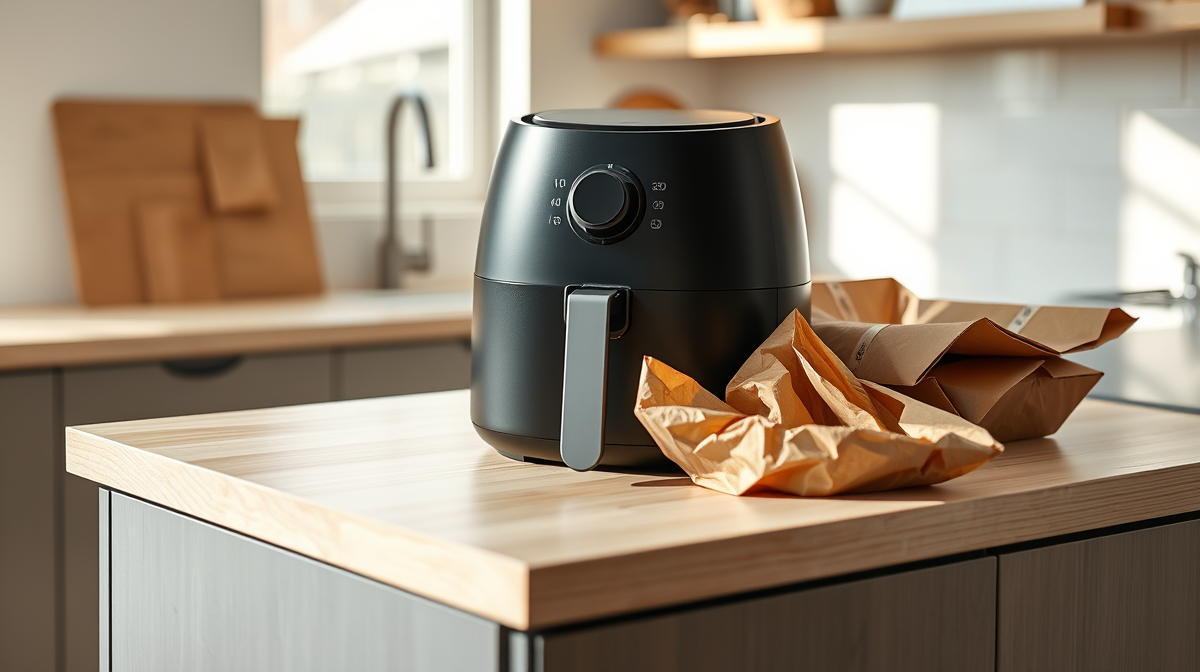
Ever unboxed a sleek new kitchen gadget only to be left with a perplexing pile of plastic and cardboard? The excitement of a smart home upgrade often comes with the unspoken problem of packaging waste. This article investigates the environmental footprint of kitchen gadget packaging and highlights brands that are pioneering sustainable solutions, helping you make more informed, eco-conscious choices for your home.
The Hidden Cost: Environmental Impact of Traditional Packaging
Modern kitchen gadgets, from smart air fryers to advanced coffee makers, arrive in packaging designed for protection and retail appeal. However, this often involves a mix of materials that pose significant environmental challenges. Traditional packaging frequently relies on non-recyclable plastics, excessive cardboard, and synthetic foams that clog landfills and pollute ecosystems.
Common Packaging Culprits
- Single-Use Plastics: Styrofoam, plastic films, and molded plastic trays are prevalent due to their low cost and protective qualities. These materials are often difficult or impossible to recycle through standard municipal systems, leading to persistent waste.
- Excessive Cardboard: While recyclable, the sheer volume of cardboard used, especially for smaller items, contributes to deforestation and high energy consumption in its production and transport.
- Mixed Materials: Packaging that combines different materials (e.g., plastic windows on a cardboard box, metallic coatings) complicates recycling efforts, often rendering the entire package unrecyclable.
The journey from raw material extraction to disposal generates a substantial carbon footprint, depletes natural resources, and contributes to pollution. For consumers striving for a greener lifestyle, the waste generated by new purchases can be a significant concern. While focusing on packaging, it’s also worth noting how the devices themselves, like advanced smart kitchen tech, can significantly reduce household food waste.
Beyond the Box: Materials Making a Difference
Forward-thinking brands are actively redefining packaging standards by adopting innovative materials and design philosophies focused on sustainability. The goal is to minimize environmental impact without compromising product protection or consumer experience.
Pioneering Sustainable Packaging Materials
- Recycled Content: Many brands are increasing their use of post-consumer recycled (PCR) plastics and recycled paper or cardboard. This reduces the demand for virgin materials and helps create a circular economy for packaging.
- Biodegradable and Compostable Alternatives: Innovative materials like mushroom packaging (made from mycelium and agricultural waste), cornstarch-based foams, and molded paper pulp are gaining traction. These materials break down naturally at the end of their life, returning nutrients to the earth.
- Plant-Based Plastics: Bioplastics derived from renewable resources like sugarcane or cassava are offering a more sustainable alternative to petroleum-based plastics.
Beyond materials, smart design plays a crucial role. This includes reducing overall package size, eliminating unnecessary components, and employing mono-material designs that simplify recycling for consumers. This focus on minimal and reusable materials mirrors the shift seen in other personal tech, like smart water bottles designed to cut plastic waste.
Brands Leading in Sustainable Kitchen Gadget Solutions
Several companies in the smart home and kitchen technology sector are stepping up to address packaging waste. Their efforts range from complete material overhauls to significant reductions in plastic use and improved recyclability.
Key Initiatives from Leading Brands
- Reduced Plastic Usage: Many brands are actively removing single-use plastics from their packaging, opting for paper-based alternatives or certified compostable materials for internal cushioning and protection.
- Simplified and Recyclable Design: Companies are designing packaging that uses fewer components and is easily recyclable. This often means using a single type of material, like corrugated cardboard, throughout the entire package.
- Sustainable Sourcing: Leading brands ensure that paper and cardboard come from sustainably managed forests, often certified by organizations like the Forest Stewardship Council (FSC).
- Consumer-Centric Recycling Information: Providing clear, easy-to-understand instructions on how to properly recycle or compost packaging components empowers consumers to participate in the sustainability cycle.
While specific brand practices evolve rapidly, the trend towards smaller, lighter, and more recyclable packaging is strong across the industry. Brands that integrate their sustainability ethos from product design through to end-of-life, including packaging, are gaining consumer trust. For instance, just as you might consider the energy efficiency of appliances like those reviewed in our LG InstaView review, the packaging they arrive in is equally critical.
What You Can Do: Choosing Eco-Conscious Kitchen Gadgets
As a consumer, your choices hold significant power in driving change. By prioritizing brands committed to sustainable packaging, you contribute to a cleaner planet and encourage further innovation.
- Research Before You Buy: Look into a brand’s sustainability commitments, particularly their packaging policies. Many companies publish this information on their websites.
- Look for Certifications: Seek out packaging with environmental certifications like FSC for paper products or certifications for compostable materials.
- Opt for Minimalist Packaging: Sometimes, less is truly more. Choose products that come in compact, no-frills packaging.
- Support Innovators: Give your business to brands that are transparent about their efforts and actively investing in new eco-friendly packaging solutions.
- Recycle Properly: Always follow local recycling guidelines for any packaging you receive. If it’s compostable, dispose of it in your compost bin.
The environmental impact of kitchen gadget packaging is a critical issue, but progress is being made. By supporting brands committed to reducing waste and opting for sustainable solutions, you can help shape a future where convenience and environmental responsibility go hand-in-hand. Make your next kitchen gadget purchase a step towards a more sustainable home.