

Are your water bills unexpectedly high, or do you simply want to reduce your environmental footprint? Before investing in smart water technology, understanding your home’s current water usage and waste is crucial. This guide will transform you into a water detective, equipping you with practical, DIY methods to uncover hidden leaks and inefficiencies, laying the foundation for a truly eco-conscious home.
Why Be a Water Detective Before Going Smart?
Many homeowners jump straight to smart home gadgets, but the most effective approach often starts with a manual audit. Unaddressed leaks can silently waste thousands of gallons of water each year, costing you money and straining precious resources. Identifying and fixing these issues manually first means any future smart water-saving solutions you implement will be even more efficient and impactful, saving you more in the long run.
A DIY water audit provides a foundational understanding of your home’s water dynamics. It’s an empowering step towards greater sustainability, giving you control over your utility expenses and environmental impact.
Your Water Meter: The First Clue
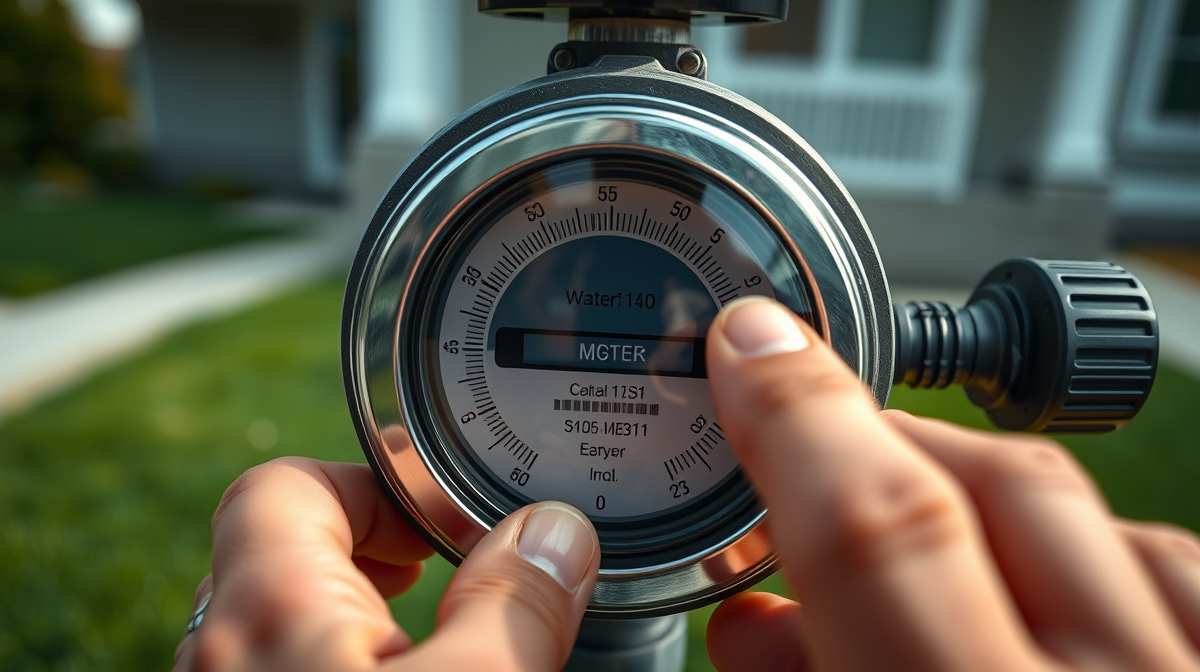
Your home’s water meter is your most valuable tool for detecting hidden leaks. It measures all water entering your property, making it the ultimate arbiter of your total consumption.
How to Read Your Water Meter
Locate your water meter, usually near the street in a concrete box, or sometimes in your basement. Note the current reading. Many meters have a small leak indicator (a red or blue triangle or a small gear) that spins even for minor water flow.
The Overnight Leak Test
- Record your water meter reading before bed or leaving home for several hours.
- Ensure no water is used inside or outside your home during this period (no toilets flushed, no washing machine, no irrigation, etc.).
- After several hours, check the meter again.
- If the reading has increased, or the leak indicator is spinning, you have a leak.
If a leak is indicated, the next step is to pinpoint its location.
Indoor Audit: Spotting the Usual Suspects
Most household leaks occur in a few common areas. Being thorough here can save significant amounts of water.
Toilets: The Silent Drain
Toilets are notorious for silent leaks that can waste hundreds of gallons daily. A faulty flapper valve is often the culprit.
- Dye Test: Add a few drops of food coloring to your toilet tank. Wait 15-30 minutes without flushing. If color appears in the bowl, you have a leak. Replace the flapper or other internal components as needed.
- Listen: A faint hissing sound from the tank when not in use can also indicate a leak.
Faucets and Showerheads: Persistent Drips
Even a slow drip can add up. A faucet dripping once per second can waste thousands of gallons annually.
- Visual Inspection: Look for visible drips from all faucets, showerheads, and outdoor spigots.
- Listen: Check for any trickling sounds when water isn’t actively running.
- Feel: Check under sinks for any dampness or puddles, which could indicate a pipe or connection leak.
Appliances: Hidden Connections
Washing machines, dishwashers, and water heaters have hoses and connections that can degrade over time.
- Hose Inspection: Periodically check the hoses for your washing machine and dishwasher for cracks, bulges, or leaks. Replace rubber hoses with braided stainless steel lines for greater durability.
- Water Heater: Look for any signs of corrosion or puddling around the base of your water heater. Even minor sweating can indicate a problem.
Outdoor Audit: The Hidden Oasis
Outdoor water use often accounts for a significant portion of a home’s total, and leaks here can go unnoticed for longer periods.
Irrigation Systems: Sprinkler Surveillance
Automatic sprinkler systems are frequent sources of water waste due to broken heads, leaky lines, or inefficient programming.
- Run a Cycle: Manually run each zone of your irrigation system during daylight hours. Walk through and look for:
- Broken or Misaligned Heads: Sprinklers spraying pavement, fences, or simply gushing water.
- Puddles or Eroded Areas: Indicates a broken pipe or constant leak.
- Uneven Distribution: Some areas are soaked while others are dry, signaling poor coverage.
- Check for Leaks in the Main Line: If you suspect a subsurface leak, soggy spots in your lawn when the system isn’t running can be a giveaway.
Hoses and Spigots: Simple Fixes
Don’t overlook the obvious.
- Hose Connections: Ensure garden hoses are tightly connected to spigots. Replace worn-out washers.
- Spigot Leaks: Check outdoor faucets for drips, especially after they’ve been turned off.
Next Steps: From Detective to Smart Home Strategist
Once you’ve diligently performed your DIY water audit and addressed any identified leaks and inefficiencies, you’re in an excellent position to consider integrating smart home technology. Having a solid baseline of water efficiency means that when you do introduce eco-smart home tech like smart leak detectors, smart irrigation controllers, or whole-home water monitors, their impact will be maximized.
These smart systems can provide real-time data, automated shut-offs, and predictive watering based on weather, taking your water conservation efforts to the next level beyond what manual audits alone can achieve.
Becoming a water detective is an empowering first step towards a more sustainable and cost-effective home. By systematically auditing your water usage, you can identify and fix leaks, significantly reducing waste and lowering your bills. This manual effort also prepares your home for maximum efficiency if you decide to integrate smart water-saving technologies. Start your audit today and take control of your home’s water footprint!