
Are your monthly energy bills a mysterious sum, leaving you wondering where all the power goes? Transforming your home into an energy-efficient haven begins with understanding your consumption. This guide will show you how to leverage your home energy monitor data to set realistic, impactful energy-saving targets and track your progress towards a greener, more economical household.
The Foundation: Understanding Your Home Energy Monitor
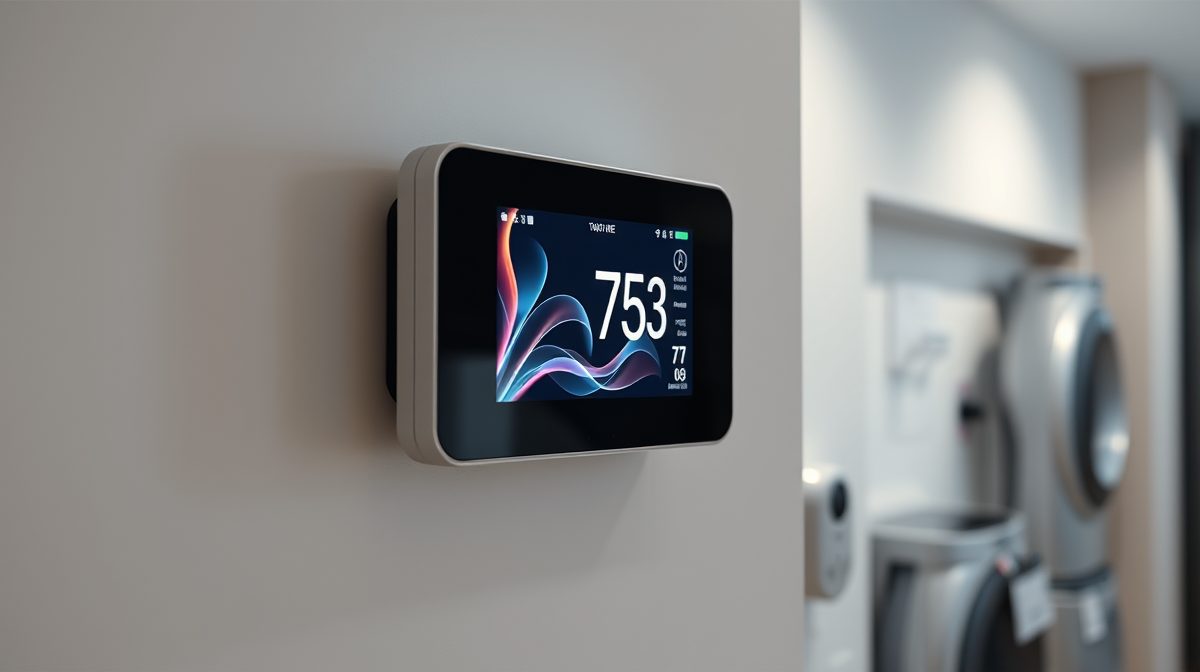
A home energy monitor is your crucial ally in the quest for reduced energy consumption. These devices provide real-time insights into your electricity use, moving beyond opaque utility bills to show you exactly how much energy your home or specific appliances are drawing. Whether it’s a whole-home system clamped to your electrical panel or individual smart plugs measuring specific devices, this data is the first step toward informed decision-making.
By making invisible energy usage visible, these monitors empower you to identify energy hogs, pinpoint wasteful habits, and truly grasp your home’s energy footprint. This immediate feedback is far more effective than waiting for an end-of-month bill to reveal patterns.
Establishing Your Energy Baseline
Collecting Initial Data
Before you can improve, you need to know your starting point. Use your home energy monitor to establish a baseline of your typical energy consumption. This involves:
- Consistent Monitoring: Track your total home energy usage for at least 2-4 weeks. Longer periods (e.g., a full season) provide a more comprehensive picture, accounting for temperature fluctuations and lifestyle changes.
- Recording Key Metrics: Note your average daily, weekly, and monthly kilowatt-hour (kWh) consumption. Many monitors offer app-based tracking and historical data.
- Contextualizing Usage: Keep a mental note of significant events during this baseline period, such as unusually hot or cold days, vacations, or periods of increased home activity. These factors influence consumption and help interpret the data.
Analyzing Consumption Patterns
Once you have your baseline, it’s time to dig into the data. Look for:
- Peak Usage Times: When is your energy consumption highest? This often correlates with morning routines, evening cooking, or peak cooling/heating demands.
- Always-On Loads (Phantom Load): Even when devices are “off” or in standby, they can draw power. Identify this constant low-level draw throughout the day and night.
- Major Appliances: If your monitor tracks individual circuits or devices (e.g., via smart plugs), identify which appliances contribute most to your overall consumption. Often, HVAC systems, water heaters, refrigerators, and entertainment setups are significant contributors.
Setting Achievable Energy Saving Targets
From Data to Goals
With a clear understanding of your energy baseline, you can now set realistic and impactful goals. We recommend using the SMART framework:
- Specific: Instead of “save energy,” aim for “reduce HVAC energy consumption by 10%.”
- Measurable: Your energy monitor provides the metrics (kWh, dollars) to track progress.
- Achievable: Set incremental goals, like a 5-10% reduction each month or quarter. Drastic cuts can be demotivating if not easily met.
- Relevant: Focus on areas your data shows have the most impact. If your smart thermostat data reveals significant heating/cooling costs, start there.
- Time-bound: Give yourself a deadline, such as “reduce overall consumption by 7% within the next three months.”
Prioritize goals that address the biggest energy consumers in your home. Often, these are heating and cooling, water heating, and lighting.
Practical Goal Examples
- “Reduce my home’s phantom load by 20% by using smart plugs on entertainment systems, aiming for a consistent nighttime baseline of under 50 watts.”
- “Lower heating/cooling consumption by 15% this quarter by optimizing my smart thermostat schedule and ensuring proper insulation around windows.”
- “Cut lighting energy usage by 10% this month by consistently turning off lights in unoccupied rooms and upgrading key fixtures to smart lighting.”
Implementing Strategies and Tracking Progress
Smart Technology as Your Ally
Your energy monitor is a diagnostic tool; smart home technology is your action plan. Integrate devices that help you meet your targets:
- Smart Plugs: Ideal for controlling and monitoring specific appliances, eliminating phantom load. Schedule them to turn off devices when not in use.
- Smart Thermostats: Precisely manage your home’s climate, learning your habits and optimizing heating and cooling schedules for maximum efficiency.
- Smart Lighting: Use motion sensors, dimming, and scheduling to ensure lights are only on when needed and at the appropriate brightness.
Continuous Monitoring and Adjustment
Setting goals is just the start. Regularly review your energy monitor data against your targets. Are you seeing the reductions you aimed for? If not, investigate:
- What changed? Was there a new appliance? Different weather? More guests?
- Are your strategies effective? Perhaps your smart thermostat schedule needs tweaking, or you forgot to enable a smart plug.
- Is the goal still realistic? Don’t be afraid to adjust goals based on new information or unforeseen circumstances. The aim is continuous improvement, not perfection.
Celebrate your progress! Seeing those kWh numbers drop, especially when correlated with lower bills, reinforces positive habits and motivates further action.
Sustaining Your Eco-Friendly Habits
Making energy awareness a routine is key to long-term success. Regularly review your goals and explore additional optimizations, such as upgrading to Energy Star appliances, improving home insulation, or exploring renewable energy options. Your energy monitor will remain a vital tool, ensuring every green goal you set is backed by data and delivers real-world results.
By using your home energy monitor data to establish a baseline, set realistic goals, and diligently track your progress, you’re not just saving money; you’re actively contributing to a more sustainable future, one watt at a time.