
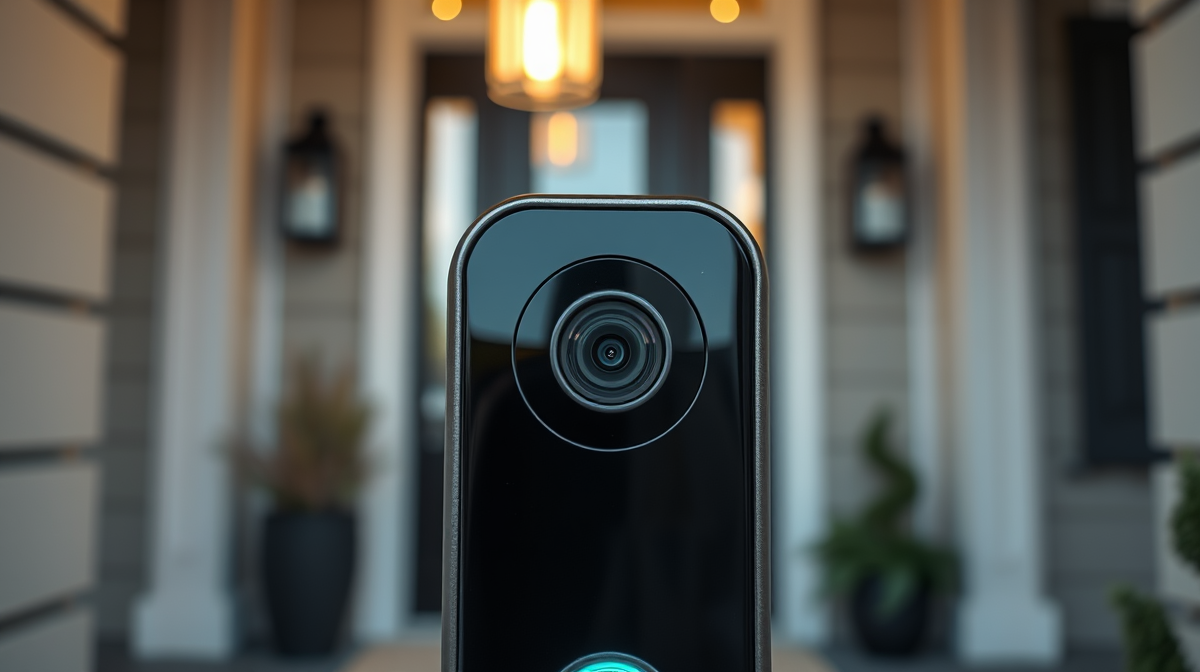
Are you weighing the benefits of enhanced home security and convenience against environmental impact and ongoing costs? Smart doorbell cameras offer a watchful eye over your entryway, but choosing the right one involves more than just a clear picture. This comprehensive guide will help you compare top smart doorbell cameras on video quality, motion detection, subscription requirements, and their eco-friendliness, particularly the distinctions between battery-powered and wired models.
Crystal Clear Views: Video Quality for Peace of Mind
The primary function of a smart doorbell camera is to show you who’s at your door, or what’s happening on your porch. But not all cameras are created equal.
Resolution and Field of View
- High Resolution: Look for at least 1080p Full HD, with many premium options now offering 2K or even 4K resolution. Higher resolution means clearer images and the ability to zoom in on faces or package details without significant pixelation. This is crucial for identification, especially when sharing footage with authorities.
- Wide Field of View: A wider viewing angle (typically 160-180 degrees horizontally, or even a taller, head-to-toe view) ensures you don’t miss anything happening directly below the doorbell or to the sides of your door frame. Some models even offer a 1:1 aspect ratio, giving you a complete view of packages left on the mat.
Night Vision Capabilities
What happens after dark is just as important as daytime surveillance. Most smart doorbells feature infrared (IR) night vision, providing a black-and-white image. However, some advanced models now offer color night vision, often achieved through enhanced sensors and ambient light, making it easier to discern details like clothing colors or vehicle models, significantly improving security after sunset.
Beyond the Bell: Smart Motion Detection
An effective smart doorbell doesn’t just record; it alerts you to what truly matters while minimizing false alarms. This is where advanced motion detection comes in.
Accuracy and AI Features
- Person Detection: A critical feature that differentiates human activity from pets, passing cars, or swaying branches. This significantly reduces unnecessary notifications, saving your battery life and your sanity.
- Package Detection: With the rise of online shopping, many doorbells can now specifically identify when a package is delivered or, more importantly, when one is removed.
- Customizable Activity Zones: The ability to define specific areas within the camera’s view that should trigger motion alerts. This allows you to focus on your porch and ignore activity on a busy street or a neighbor’s yard.
False alarms not only drain battery life but can also desensitize you to actual threats. Investing in a doorbell with robust, AI-powered motion detection is an investment in effective security.
The Cost of Connection: Subscription Models & Storage
While the initial purchase price is a factor, the ongoing cost of a smart doorbell camera, primarily through subscriptions, is often overlooked.
Cloud vs. Local Storage
Most smart doorbells offer cloud storage for recorded video clips, often requiring a monthly or annual subscription. These subscriptions typically include features like extended video history, AI-powered alerts, and sharing capabilities. However, cloud storage relies on external data centers, which consume significant energy. For a look into the broader picture of intelligent home technology, consider how various Eco-Smart Home Tech innovations contribute to a greener lifestyle.
Alternatively, some brands offer local storage options via an onboard SD card or a proprietary hub connected to your home network. This can eliminate subscription fees, enhance privacy by keeping data within your home, and reduce the environmental footprint associated with constant cloud data processing and storage. When evaluating long-term sustainability, exploring Sustainable Smart Home Tech options is always a smart move.
Always check what features are locked behind a paywall before committing to a system. Some basic features like live view and two-way talk are usually free, but accessing recorded events often requires a subscription.
Powering Your Protector: Battery vs. Wired & Eco-Impact
The choice between a battery-powered and a wired smart doorbell has significant implications for installation, performance, and environmental impact.
Battery-Powered Doorbells
- Pros:
- Easy Installation: No existing wiring is needed, making them ideal for renters or homes without traditional doorbell wiring. Many can be set up in minutes. The ease of setup contributes to making the Smart Home easy for every family member, regardless of technical skill.
- Flexibility: Can be placed virtually anywhere.
- Cons:
- Recharging: Requires periodic recharging (typically every 1-6 months, depending on usage), leading to potential downtime.
- Performance: May have slightly slower response times or reduced video recording lengths to conserve power.
- Battery Lifespan: Rechargeable batteries degrade over time, eventually needing replacement, contributing to electronic waste.
Wired Doorbells
- Pros:
- Continuous Power: Always on, offering uninterrupted surveillance and often faster response times to motion alerts or doorbell presses.
- Enhanced Features: Can support more power-intensive features like continuous recording, advanced AI, or louder chime options.
- No Recharging: Eliminates the hassle of battery swaps.
- Cons:
- Installation Complexity: Requires existing low-voltage doorbell wiring or professional installation.
Eco-Friendliness Considerations
From an ecological standpoint, wired doorbells generally have a lower impact during their operational lifespan, as they draw minimal power from your home’s grid and avoid the creation, disposal, and eventual replacement of rechargeable batteries. While the power consumption for a wired doorbell is low, it’s still part of your home’s overall energy footprint. Battery-powered models introduce the issue of battery manufacturing and disposal, which can be resource-intensive and generate hazardous waste if not recycled properly. When making your choice, consider the full lifecycle of the product and how it aligns with your commitment to a sustainable home.
Choosing the right smart doorbell camera means finding a balance between robust security features, manageable ongoing costs, and an aligned environmental footprint. By carefully considering video quality, motion detection capabilities, subscription models, and the eco-implications of battery versus wired power, you can make an informed decision that truly benefits your home and the planet.
| Item | Company | Short Description | Common Price (USD) + Price Rating | Ease of Use Rating | Eco-Friendliness Rating | Summary Comment |
|---|---|---|---|---|---|---|
Google Nest Doorbell (Battery)
|
Offers 24/7 live view and event history with a Nest Aware subscription. Features person, package, animal, and vehicle detection, and two-way talk. | $150 – $180 – ⭐⭐⭐⭐☆ | ⭐⭐⭐⭐☆ | ⭐⭐⭐⭐☆ | Excellent integration with the Google ecosystem and smart detection capabilities. | |
Arlo Essential Wireless Video Doorbell
|
Arlo | Wireless and weather-resistant doorbell with 180° view and night vision. Integrates with existing chimes and offers direct-to-phone video calls. | $120 – $160 – ⭐⭐⭐⭐☆ | ⭐⭐⭐⭐☆ | ⭐⭐⭐☆☆ | Reliable wireless performance with a wide field of view for comprehensive coverage. |
eufy Security Video Doorbell Dual (2K Pro)
|
eufy (Anker Innovations) | Features two cameras for head-to-toe and package view, eliminating blind spots. Offers local storage and AI human/package detection without a subscription. | $180 – $220 – ⭐⭐⭐☆☆ | ⭐⭐⭐⭐☆ | ⭐⭐⭐⭐⭐ | Eliminates blind spots and offers excellent value with no mandatory subscription for local storage. |