
Are you struggling with uninspired home lighting and energy bills that keep climbing? Many homeowners face this dilemma, searching for a way to enhance their living spaces while being kinder to their wallet and the planet. This case study reveals how one reader, Sarah, transformed her home with smart lighting, achieving both breathtaking ambiance and significant energy savings.
Sarah’s Lighting Dilemma: Before the Smart Upgrade
Before her smart lighting transformation, Sarah, a homeowner from Austin, Texas, found her home’s illumination to be a source of frustration. Her setup consisted primarily of a mix of traditional incandescent and older CFL bulbs. The primary issues were:
- High Energy Consumption: Sarah’s lighting contributed significantly to her electricity bill, especially in living areas and the kitchen where lights were often left on for extended periods.
- Limited Control: Beyond a simple on/off switch, there was no flexibility. Brightness levels were static, and the harsh, cool white light often felt unwelcoming in the evenings.
- Inconvenience: Manually switching off lights in every room before bed or upon leaving the house was a constant chore. Arriving home to a dark house was also a common, unwelcome experience.
- Lack of Ambiance: Her home lacked dynamic lighting scenes. A single overhead light served all purposes, from reading to entertaining, failing to create distinct moods or comfortable settings.
Her estimated monthly lighting energy consumption was around 120 kWh, contributing over $15 to her electricity bill at current rates, not to mention the environmental impact.
The Smart Lighting Transformation: A Phased Approach
Inspired by articles on sustainable living, Sarah decided to tackle her lighting. Her approach focused on replacing key fixtures and bulbs in high-traffic areas first, then expanding to other rooms. She opted for a system known for its reliability and broad compatibility.
Strategic Replacements and Installations
- Smart Bulbs: She replaced all high-use incandescent bulbs with ENERGY STAR certified smart LED bulbs, which offer tunable white light and full-color spectrum capabilities.
- Smart Light Switches: In areas like hallways and the living room, she installed smart light switches, allowing control over existing non-smart fixtures. This was a cost-effective way to bring automation to multiple lights simultaneously. For those considering a similar path, understanding your home’s wiring and planning ahead is key, as detailed in a smart lighting plan guide.
- Central Hub: Sarah invested in a smart home hub to ensure seamless communication between all her devices, emphasizing the importance of a robust network for optimal performance.
Tangible Results: Enhanced Ambiance and Slashed Bills
The impact of Sarah’s smart lighting upgrade was immediate and profound, affecting both her daily living and her budget.
Dramatic Ambiance Improvements
Sarah now enjoys a home that adapts to her needs and mood throughout the day. She created several custom scenes:
- Morning Wake-Up: Lights in her bedroom and kitchen slowly brighten to a cool, energizing white, simulating a gentle sunrise.
- Work-from-Home Focus: During work hours, her office lights shift to a bright, neutral white, proven to boost concentration.
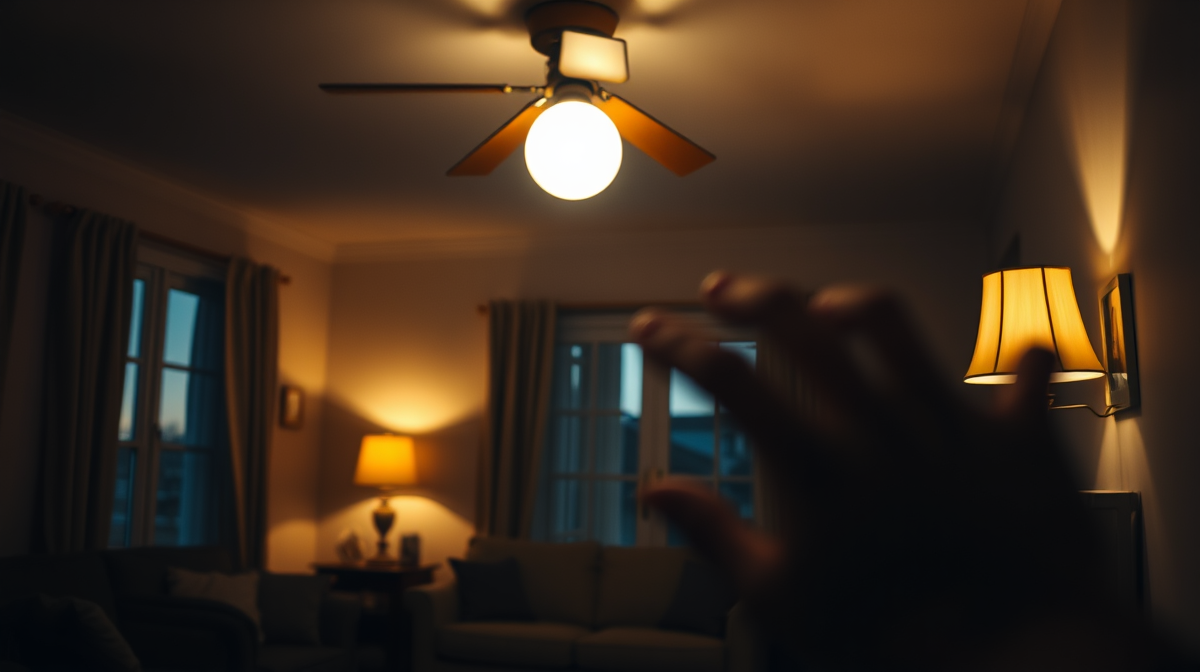
- Evening Relaxation: As evening approaches, lights automatically dim and warm to a soft, amber glow, creating a cozy and inviting atmosphere.
- Movie Night: With a single voice command, her living room lights dim to 20% and shift to a deep blue hue, perfectly setting the mood for entertainment.
“I never realized how much my lighting impacted my mood until I could control it,” Sarah shared. “My home feels so much more inviting and personalized now.”
Significant Energy Bill Reductions
Beyond ambiance, the financial savings were substantial. By replacing energy-hungry bulbs with efficient LEDs and implementing intelligent control, Sarah observed a remarkable change:
- Lower Consumption: Her monthly lighting energy use dropped from 120 kWh to approximately 50 kWh.
- Cost Savings: This translated to a reduction of over $8 per month on her electricity bill, representing nearly a 55% decrease in lighting-related costs.
- Reduced Carbon Footprint: This saving also means a smaller environmental impact, aligning perfectly with her eco-friendly goals.
The upfront investment in smart bulbs and switches paid for itself much faster than she anticipated, primarily due to the immediate energy savings and the long lifespan of LED technology.
Beyond the Basics: Advanced Features and Future-Proofing
Sarah’s smart lighting system offered more than just scheduled dimming and color changes. She integrated advanced features for maximum convenience and efficiency:
- Voice Control: Through her smart speaker, Sarah can control individual lights, groups of lights, or entire scenes with simple voice commands.
- Motion Sensors: Hallways and bathrooms are equipped with motion sensors, ensuring lights only turn on when needed and automatically switch off after a period of inactivity.
- Geofencing: Her lights automatically turn on to a welcoming scene when she’s about to arrive home and turn off when she leaves, preventing wasted energy.
- Smart Home Integration: Sarah’s lighting now works in harmony with her smart thermostat and security system, for example, triggering a bright light alert if a security sensor is tripped.
Looking ahead, the evolving landscape of smart home technology, including standards like Matter and Thread, promises even greater interoperability and ease of use, ensuring her system remains relevant and expandable for years to come.
Conclusion
Sarah’s experience illustrates that smart lighting is far more than a novelty; it’s a powerful tool for creating a truly responsive and energy-efficient home. By embracing intelligent control and efficient LED technology, she not only enhanced her home’s comfort and aesthetic appeal but also achieved significant, tangible savings on her energy bills. Consider how a similar smart lighting upgrade could transform your own living space and budget.