

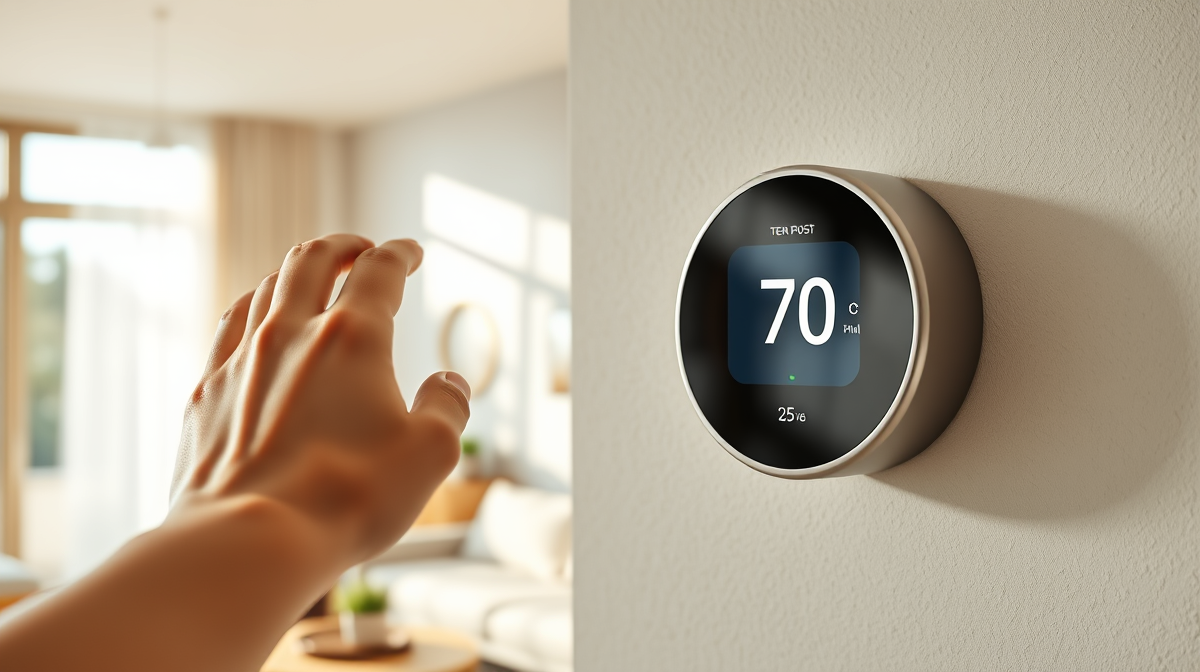
Are your energy bills fluctuating wildly, leaving you wondering if there’s a smarter way to manage your home’s climate? A smart thermostat could be the answer. This 2026 buying guide will walk you through essential features, review top eco-friendly models, and help you understand their real energy-saving potential for any home.
Why Upgrade to a Smart Thermostat in 2026?
In an age where every penny and every watt counts, smart thermostats stand out as a cornerstone of the eco-friendly smart home. Beyond basic temperature control, these devices learn your habits, optimize energy usage, and offer unparalleled convenience. They aren’t just about comfort; they’re about empowering you to take control of your energy footprint, significantly reducing your heating and cooling costs while contributing to a greener planet.
Essential Smart Thermostat Features for Eco-Conscious Homes
Choosing the right smart thermostat means understanding the technology that drives its efficiency. Here are the key features to look for:
-
Learning Capabilities and AI Optimization
The most advanced smart thermostats aren’t just programmable; they’re intelligent. They observe your preferred temperatures, when you’re home or away, and even how long it takes your home to heat or cool. This learning allows them to create optimized schedules automatically, reducing energy waste without you lifting a finger.
-
Remote Sensors for Zoned Comfort
Traditional thermostats only read the temperature in one location, often leading to hot or cold spots in other rooms. Remote sensors solve this by measuring temperature in various areas, allowing your system to average temperatures or prioritize comfort in occupied rooms. This not only enhances comfort but also prevents your system from overworking to hit a single, often unrepresentative, reading. Learn more about how these crucial components work in our article on Smart Thermostat Sensors.
-
Geofencing Technology
Geofencing uses your smartphone’s location to determine if you’re home or away. As you leave a predefined area, your thermostat can automatically adjust to an energy-saving temperature. As you return, it can begin heating or cooling so your home is comfortable upon arrival. This passive automation ensures you’re never heating or cooling an empty house.
-
Detailed Energy Reports and Insights
Knowledge is power, especially when it comes to energy consumption. Smart thermostats often provide detailed reports on your heating and cooling patterns, identifying where and when you’re using the most energy. These insights help you make informed decisions to further optimize your settings and savings. Coupling this with dedicated Home Energy Monitors can give you a comprehensive overview of your entire home’s energy usage.
-
Matter Compatibility for Future-Proofing
Matter is a new universal connectivity standard designed to simplify smart home ecosystems, allowing devices from different brands to communicate seamlessly. A Matter-compatible smart thermostat ensures it will integrate smoothly with a wider range of current and future smart home devices, enhancing its longevity and utility.
Top Smart Thermostats of 2026: Reviews for Eco-Conscious Homes
Here are our top picks for smart thermostats that excel in eco-friendliness, ease of use, and energy-saving potential:
-
Google Nest Learning Thermostat (3rd Gen)
The pioneer in learning thermostats, the Nest continues to be a top contender.
- Key Features: Auto-schedules based on your habits, Farsight display, Home/Away Assist with geofencing, energy history reports.
- Eco-friendliness: Proven energy savings (users save 10-12% on heating, 15% on cooling), integrates with many energy-saving programs.
- Ease of Use: Intuitive design with a simple dial, user-friendly app.
- Energy Saving Potential: High due to its strong learning algorithms and Home/Away Assist.
- Ideal For: Tech-savvy homeowners wanting a truly set-it-and-forget-it solution with a sleek design.
-
Ecobee Smart Thermostat Premium
Ecobee takes a sensor-centric approach to ensure whole-home comfort and efficiency.
- Key Features: Comes with a SmartSensor for remote temperature/occupancy detection, built-in air quality monitor, voice control with Alexa, Spotify streaming.
- Eco-friendliness: Focuses on precise comfort where it matters, reducing wasted energy in unoccupied rooms. Compatible with demand response programs.
- Ease of Use: Touchscreen interface, robust app, clear energy reports.
- Energy Saving Potential: Excellent, especially for homes with uneven temperatures or multiple occupants, thanks to its SmartSensors.
- Ideal For: Larger homes, families with varied schedules, and those prioritizing precise comfort in specific rooms, or users wanting an integrated smart speaker.
-
Honeywell Home T9 Smart Thermostat with Smart Room Sensors
Honeywell Home offers robust control and expands the reach of your thermostat with powerful sensors.
- Key Features: Connects to multiple Smart Room Sensors (up to 20) with a 200-foot range, intuitive app, geofencing, flexible scheduling.
- Eco-friendliness: Prioritizes comfort only in occupied rooms with its “Follow Me” mode, preventing over-conditioning other areas.
- Ease of Use: Simple touchscreen display, clear app interface.
- Energy Saving Potential: High for homes with many rooms or inconsistent temperatures, allowing very granular control over zones.
- Ideal For: Medium to large homes needing comprehensive coverage and precise temperature control across multiple rooms.
-
Mysa Smart Thermostat (for Electric Baseboard & Floor Heating)
A specialized solution for homes with specific heating systems.
- Key Features: Designed specifically for high-voltage electric heating (baseboard, in-floor, fan-forced), sleek minimalist design, geofencing, detailed energy usage stats.
- Eco-friendliness: Electric heating can be very energy-intensive; Mysa brings smart control to significantly reduce this consumption.
- Ease of Use: Simple capacitive touch interface, intuitive app control.
- Energy Saving Potential: Extremely high for homes with electric heating, often leading to substantial savings.
- Ideal For: Homes with electric baseboard heaters, radiant floor heating, or fan-forced convector heaters looking for smart control and significant savings.
Choosing the Right Smart Thermostat for Your Home
To make the best decision, consider these factors:
-
HVAC System Compatibility
Always check if a smart thermostat is compatible with your specific heating and cooling system (e.g., conventional, heat pump, boiler). Most require a common wire (C-wire) for continuous power.
-
Home Size and Layout
For larger homes or those with significant temperature differences between rooms, models with remote sensors (like Ecobee or Honeywell T9) are highly recommended.
-
Integration with Existing Smart Home Ecosystems
If you already use Google Assistant, Alexa, or Apple HomeKit, choose a thermostat that seamlessly integrates for voice control and unified automation.
-
Budget
Smart thermostats range in price, but the energy savings often justify the initial investment, usually paying for themselves within a year or two.
-
Installation Complexity
Many smart thermostats are designed for DIY installation, but if you’re uncomfortable with electrical wiring, professional installation might be a better option.
Embracing a smart thermostat is one of the most impactful steps you can take toward a more energy-efficient and comfortable home. By understanding the key features and choosing a model that fits your lifestyle and home type, you’re not just saving money; you’re actively contributing to a more sustainable future. Start your journey to smarter heating and cooling today!